Simpler Recycling rules take effect
New rules on how workplaces must sort their waste and recycling have taken effect from 31 March. What are the key changes to be aware of?
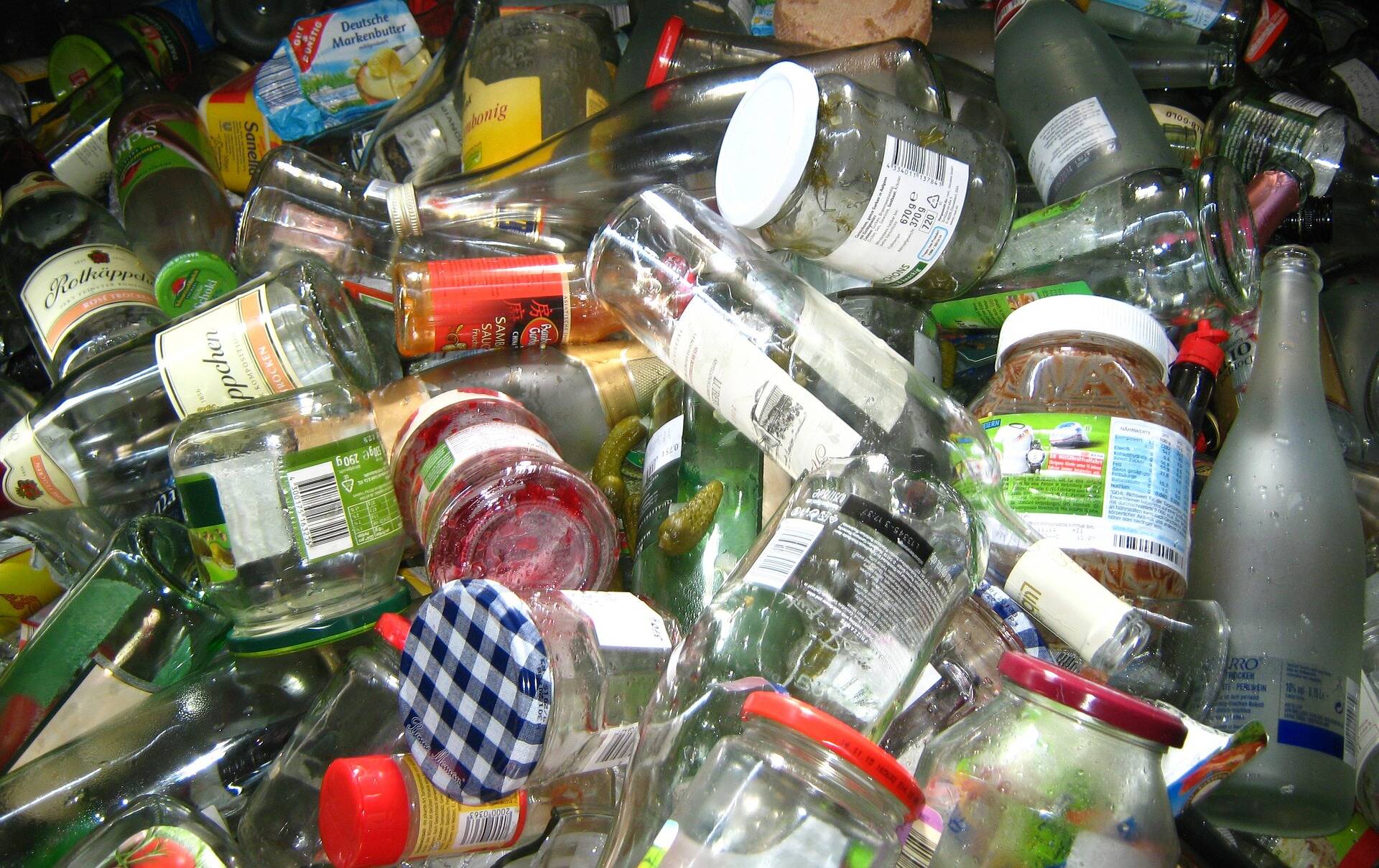
The so-called Simpler Recycling rules require workplaces with ten or more employees to arrange for the collection of the following:
- dry recyclables such as plastic, metal, glass, paper and card
- food waste
- non-recyclable waste.
Note. You'll need to separate paper and card from other recyclables unless your waste contractor collects them together.
You'll have the freedom to decide on the size of container and frequency of collection based on how much waste your business produces. Work with your waste contractor here.
You will be required to separate your food waste, no matter how small the quantity generated. This is to prevent food waste going to landfill.
Related Topics
-
Company buying back shares? Watch out for forthcoming changes
Company owners arranging a retirement, a family succession or a shareholder exit may need to rethink how shares are bought back. The Budget confirms that the government intends to tighten the rules distinguishing capital gains from dividend income, potentially making some buybacks considerably more expensive. How might an ordinary business exit be caught?
-
What can you learn from HMRC’s input tax toolkit?
You know that penalties can be charged on careless errors and many mistakes relate to input tax being wrongly claimed. How can HMRC’s input tax guidance help your business to claim the right amount?
-
A £3,000 side-hustle allowance: more generous than it looks?
People making money from small side businesses will have more room to earn without paying income tax, following a Budget decision to triple the trading allowance. However, the figure relates to what you receive before expenses, not the profit you keep. Will the £3,000 allowance actually save you tax?