Warning for cryptoasset investors
Changes to the self-assessment tax return signal HMRC’s intention to go after those buying and selling cryptoassets. What’s the full story?
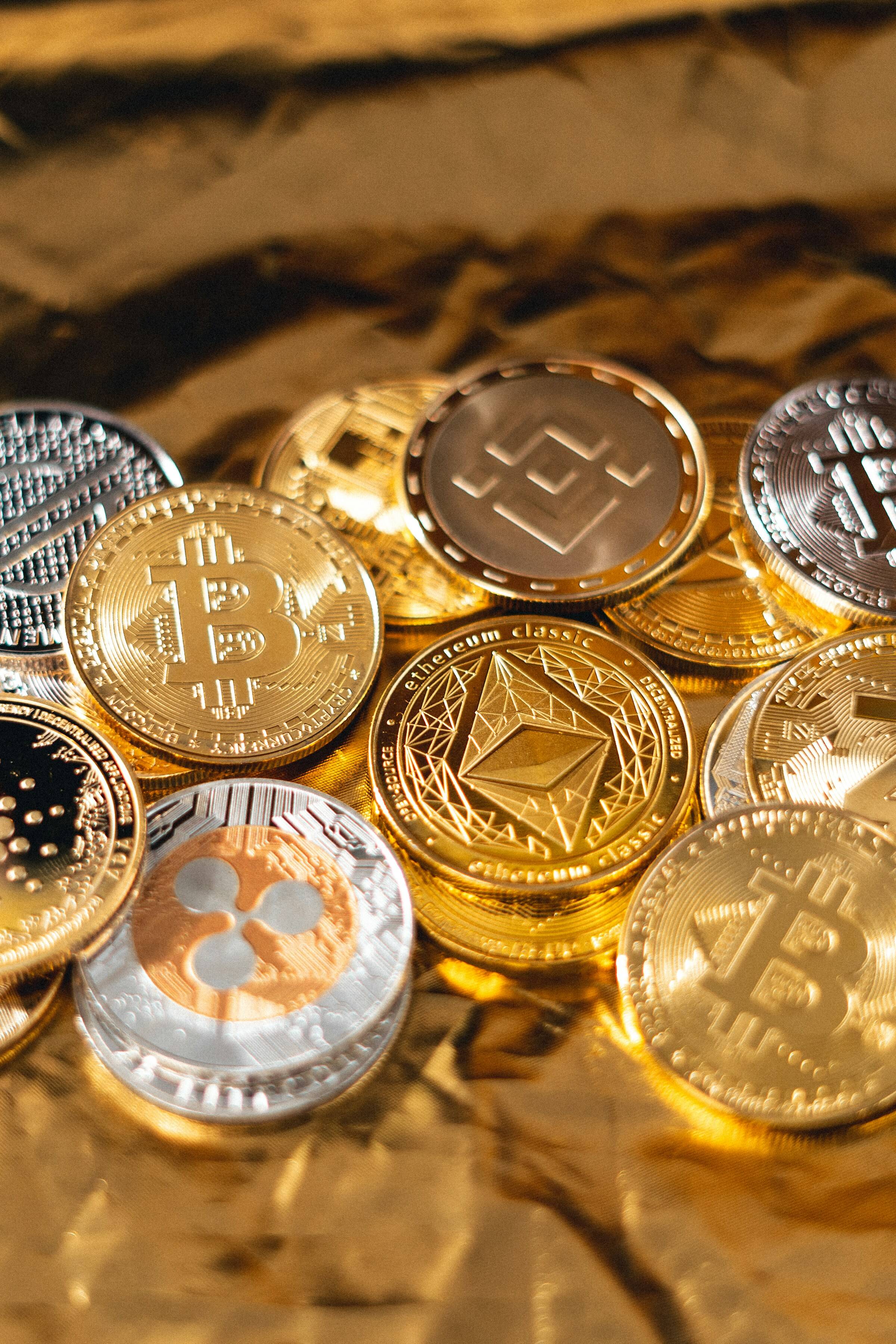
HMRC has already set out its design for self-assessment tax returns for 2024/25. The return will include dedicated questions in the capital gains pages (Form SA108) for purchases and sales of cryptoassets such as Bitcoin and Ethereum. It’s apparent HMRC considers that many taxpayers are not reporting or incorrectly reporting gains or losses they’ve made from investing in cryptoassets. YouGov statistics show that in January 2024 10% of the adult population has bought or own them. This has been the position since mid-2022. Of course, this doesn’t mean they’ve all made gains that ought to have been declared to HMRC, but it believes that there’s a lack of awareness of when a declaration is required.
Another factor makes undeclaration increasingly likely. In the space of a year the annual exempt amount for capital gains has been reduced from £12,300 (as it stood on 5 April 2023) to where it stands now at just £3,000. This means that if the aggregate of all your capital gains, net of any capital losses, made in 2024/25 exceeds £3,000, you will have to pay capital gains tax (CGT) on the excess at 10% if you’re a basic rate taxpayer, or 20% if you pay at the higher or additional rate.
As well as understanding what and how to report, it’s essential that you keep a record of each cryptoasset transaction, i.e. the date, its value in UK sterling and any dealing or brokers’ costs (these are CGT deductible). Keeping good contemporaneous records will make your life much easier in deciding if you need to include a declaration to HMRC and whether you have CGT to pay.
Related Topics
-
Why is HMRC checking PVA more often?
Your business imports goods and accounts for VAT by applying postponed VAT accounting (PVA) on its returns. HMRC is scrutinising returns and issuing large assessments in some cases. What can you do to reduce the risk of getting it wrong?
-
HMRC text or scam? Check before you act
HMRC is contacting some taxpayers by text this week about overdue Self Assessment liabilities and is also sending updates about VAT registration applications. At the same time, it has expanded its guidance on spotting fake HMRC messages on social media. How can you tell whether a message is genuine?
-
Electronic VAT return and payment due