HMRC issues new fraud warning
HMRC is warning customers to be especially vigilant to fraudsters at this time of year due to the busy tax return season. What do you need to know?
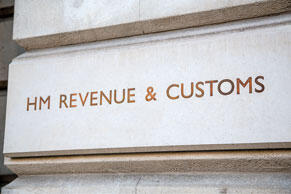
Fraud involving bogus contact purporting to be from HMRC is on the increase. Its latest press release, issued this week, reports that in the year to August 2022, over 180,000 cases of suspicious contact were referred to it. Nearly half of these were scams involving promises of fake tax refunds, designed to trick you into disclosing your bank details. In recent years, fraudsters are getting more brazen, often calling from numbers that genuinely look like HMRC. Upon answering (or checking a voicemail), you may be told that you need to urgently pay money or you will be arrested.
HMRC’s Director general for Customer Services said: “Never let yourself be rushed. If someone contacts you saying they’re from HMRC, wanting you to urgently transfer money or give personal information, be on your guard. HMRC will never ring up threatening arrest. Only criminals do that. Tax scams come in many forms. Some threaten immediate arrest for tax evasion, others offer a rebate. Contacts like these should set alarm bells ringing, so take your time and check HMRC scams advice on GOV.UK.”
Related Topics
-
MTD taxpayers warned to check two accounts for tax bills
Taxpayers who joined Making Tax Digital (MTD) for Income Tax in April 2026 are being warned that their tax payment information may be split between two separate HMRC accounts. With the January Self Assessment deadline approaching, could you be overlooking part of your tax bill?
-
Extra reporting requirements for close companies scrapped
Government plans for rigorous reporting of transactions between close companies and their participators have been binned. What's changed?
-
Company buying back shares? Watch out for forthcoming changes
Company owners arranging a retirement, a family succession or a shareholder exit may need to rethink how shares are bought back. The Budget confirms that the government intends to tighten the rules distinguishing capital gains from dividend income, potentially making some buybacks considerably more expensive. How might an ordinary business exit be caught?